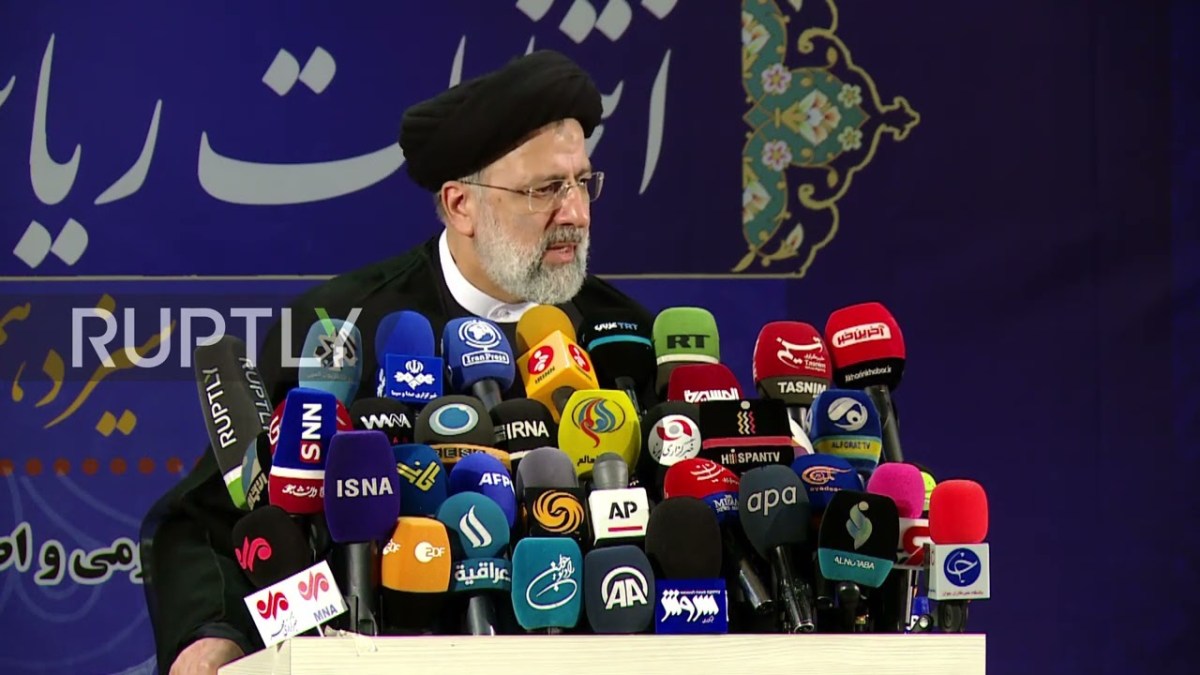
Kourosh Ziabari – Asia Times: It’s official: hardline cleric Ebrahim Raisi is Iran’s new president and will formally succeed Hassan Rouhani in August. What’s less clear is the Islamic Republic’s new foreign policy and economic direction.
Raisi secured 17.9 million popular votes, accounting for 61.9% of the ballot in a preordained result marred by the disqualification of pro-reform and moderate candidates.
Raisi, a darling of the conservative establishment, saw his supporters celebrate in eastern Tehran on Saturday evening in defiance of millions of Iranians who boycotted the polls. As anticipated by many observers, voter turnout was a record low in the history of the Islamic Republic at 48.8%.
The boycott was a silent protest against the country’s many economic woes, growing social and political restrictions and other grievances that have piled up since the former US president Donald Trump exited the Joint Comprehensive Plan of Action (JCPOA) in 2018, spelling the ruination of the nation’s reform movement.
Many Iranians realized that the June 18 election was a coronation rather than a democratic election, and that the establishment had decided the winner.
Richard Nelson Frye devoted his life to Persian history and asked to be buried in Isfahan, but Iran’s hard-liners refused. As Iran and the United States fight a widening war, his story offers a parable of a relationship surrendered to hard-liners.
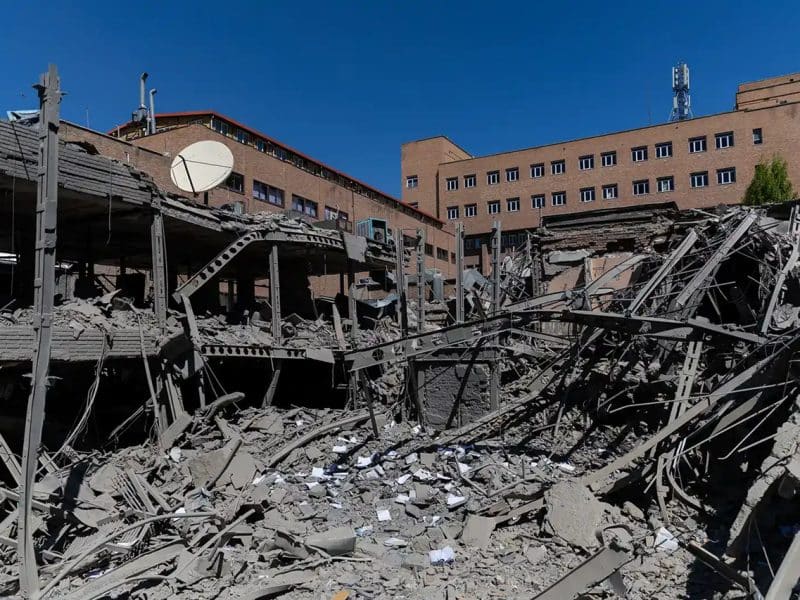
From toxic acid rain blanketing Tehran after Israel bombed the Iranian capital’s oil depots to the emission of a substantial volume of greenhouse gases in the early phases of the campaign, the US-Israeli war of aggression on Iran has caused serious environmental degradation in the country
Leaders and institutions that have expressed solidarity with Iranians can translate their words into action by empowering Iran’s academic community and extricating Iranian students and scholars from decades of involuntary isolation. Intellectual life cannot indefinitely remain constricted by sanctions, threats and wars