
Can Iran move past its nuclear fixation?
If the world’s fifth most resource-rich country is incapable of providing running water and electricity to its citizens, would it not be irrational for it to remain obsessed with a nuclear program that has neither earned it any deterrence nor any civilian benefits?

IPS Journal: After two rounds of indirect negotiations with the United States, and with a third round scheduled for Thursday, Iran is now on the cusp of war as President Donald Trump has threatened to use military force to compel Tehran’s leadership into signing a nuclear deal with him. The rare deployment of an armada of aircraft carriers and destroyers to the proximity of Iran’s southern waters points to the imminence of a flare-up, which may happen even before the deadline of 10 days to reach an agreement that Trump issued during a speech on 19 February.
Judging from the track record of two decades of grinding talks, half-baked pacts and missed deadlines, expecting the Islamic Republic to clear-headedly move past its fixation on a nationalised nuclear programme isn’t realistic. This enterprise has been so irrationally sanctified by the theocracy that its guardians appear to be willing to oversee the collapse of the state rather than forfeit their ‘enrichment rights’.
No matter what happens before the ultimatum brandished at the ‘Board of Peace’ inaugural meeting expires, the price paid by the Iranian people over their leaders’ nuclear daydreaming remains irrecoverable. They have endured the costs in the form of crushing sanctions that have overshadowed all aspects of their life and plunged them into chronic isolation. In 2021, a former minister of transportation said the country had sustained $400 billion in damages over a period of 16 years because of the sanctions.
Iran’s failure to innovate
Whenever the opportunity presented itself, Iranians sought to reassert their collective voice and reject the blend of economic, social and political misfortunes that shape up the reality of their life today. Starting 28 December, nationwide protests over the steep devaluation of the currency evolved into a large-scale revolt against the regime and were quelled in a violent crackdown that has claimed thousands of lives and left a trail of public anguish. Over the weekend, another wave of anti-government protests erupted at several universities across Iran — the first of this scale since the deadly crackdown.
Before the war with Israel and escalating tensions with the US roiled their country, Iranians had briefly enjoyed respite from the tormenting sanctions. The July 2015 nuclear deal, known as the Joint Comprehensive Plan of Action (JCPOA), didn’t address the ‘primary’ sanctions. Yet, it removed all nuclear-related sanctions enforced since the early 2000s, prompted a one-time GDP growth of 13.8 per cent, suppressed the inflation rate to single digits and boosted trade with the EU to a record high of €20.6 billion in 2017.
In May 2018, Trump walked away from the JCPOA in his first presidency, saying he was seeking a better deal. After years of internal fracas, authorities in Tehran agreed to engage in fresh negotiations with Trump in his second term. Last summer, Israel launched a military campaign against Iran that it said was aimed at dismantling its nuclear programme. The June 13 attacks pre-empted the talks that were scheduled between Iranian and US negotiators two days later in Muscat, Oman, stymying a rare diplomatic effort.
World leaders who had expressed support for the people of Iran stood by as Israel killed 1 062 Iranians in 12 days. Iranians saw in real time that the nuclear ambitions pursued by their government were not only misguided, but catastrophic. And, although Israel’s escalation surprised many, it wasn’t inconceivable in the context of the spiralling proxy conflict between the two nemesis. With the collapse of international law in the Gaza war and Tehran’s provocations, a showdown may have been unavoidable.
But the most unexpected sight on the heels of the conflict last summer was Iran’s unchanged fixation on its nuclear project and its failure to innovate a new chapter. The Islamic Republic invoked obsolete crisis management playbooks to respond to its most difficult test of statecraft proficiency. And today, the nation of 90 million is on the precipice of another experience with military intervention.
Uninventive rhetoric about a civilian nuclear programme can still be heard coming from the administration and unelected bodies, as if nothing has happened these past months. Radical MPs, senior clerics leading Friday prayers and state-funded influencers insist on the false equivalence of centrifuges resembling national pride as if the nuclear prism is the only framework to present Iran’s version of independence.
It is estimated that Iran had spent more than $500 billion on the construction of the power plants that were destroyed during the US Air Force and Navy’s Operation Midnight Hammer. Thousands of centrifuges spinning at these installations were manufactured at exorbitant costs over the years. Everything vanished in about 30 minutes.
Aside from these quantifiable costs, the people of Iran have lived through decades of gruelling sanctions that have been multiplied incrementally, turning a nation with the highest Human Development Index score in the South Asia region into a global persona non grata. This unsavoury spectacle of civilian suffering has been the real toll of Iran’s nuclear programme.
From grocery prices going up daily as a result of sanctions-induced currency devaluation, to a lack of access to basic technological products outside the black market, and a shortage of cancer medication and insulin, the lives of millions of Iranians, despite being acclimatised to autarky, have constantly remained at the mercy of this rudderless technological quest. The state hardly ever paid a price.
A tendency to paint Iran as a threat has long mainstreamed fearmongering around the country in the global media and entertainment industry. The ripple effects stripped thousands of gifted Iranians of educational and professional opportunities, curtailed the international mobility of those Iranians who would otherwise be agents of change at home, and compounded the outcast status of a nation that has nurtured the region’s most dynamic civil society.
Today, Iranians expect a new national discourse. Having witnessed the destruction wrought by the war and the extremes of its isolation when even Russia and China didn’t come to its defence, Iran should be able to recognise that fissile material and heavy-water reactors don’t work in its favour anymore. Negotiating for the impossible at the expense of a jaded citizenry is a dangerous fantasy.
What Iran needs is an introspection over the mélange of misjudgements that culminated in the tragedy of the war. It needs to abandon its resistance to global integration. It must decide if a roadmap characterised by a perpetual state of uncertainty, periodic diplomacy, fallout with interlocutors, and endless rounds of bargaining over what has been agreed upon or rejected can define the destiny of a country that has much more to offer.
Iran must contemplate whether operating a derelict aviation fleet will be viable in 20 years, at a time when it maintains fewer than 200 operational passenger planes and wrestles with a crisis of infrastructure. Electricity outages last summer caused businesses and households $250 million in damage per day, and UN experts have described the country’s drought and precipitation problems as a situation of water bankruptcy.
If the world’s fifth most resource-rich country is incapable of providing running water and electricity to its citizens, would it not be irrational for it to remain obsessed with a nuclear programme that has neither earned it any deterrence nor any civilian benefits? It has long been argued that keeping foreign aggression at bay would be the most concrete dividend of a nuclear project. What happened in practice was that it invited warfare and exposed Iran’s defensive vulnerability.
Mastering nuclear power for a war-hit nation that needs reconstruction to be able to unleash its potential, retrieve normalcy in its financial relations with the world, and rebuild its ailing infrastructure cannot reasonably be a priority. It should not have been a priority in 1979. It should not have been a priority in 1953 when Dwight Eisenhower introduced Iran to the Atoms for Peace.
Related Articles
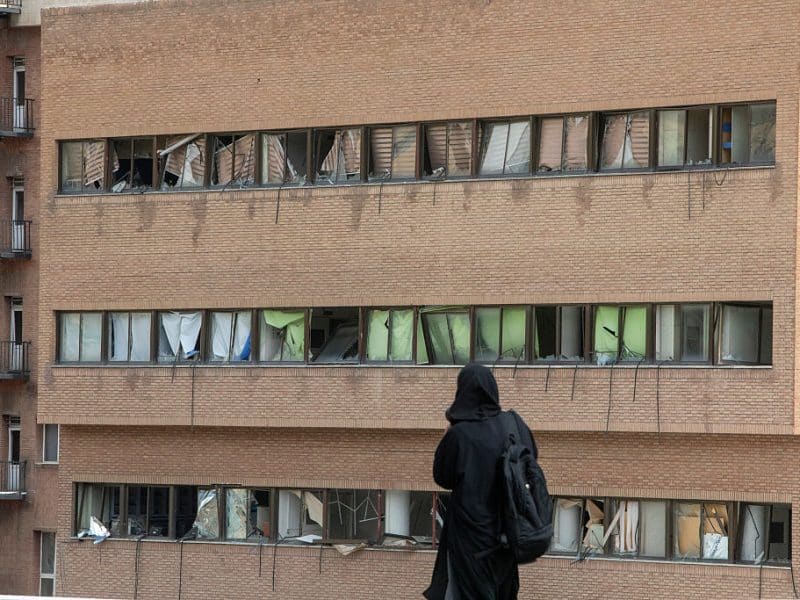
US-Israeli Strikes on Iran’s Universities Signal Higher Ed No Longer Off-Limits
Iran’s academia will bear significant costs from indiscriminate airstrikes on its prestigious universities launched by the United States and Israel, even if the war comes to an end. In a country where education is one of the main pathways to success, the long-term repercussions will be grim.

The U.S.-Israeli war on mental health in Iran
After decades of undemocratic governance, economic sanctions, and information warfare by external actors, the US-Israeli war of aggression has increased the risk of mental health issues among Iranians and the intergenerational transmission of trauma
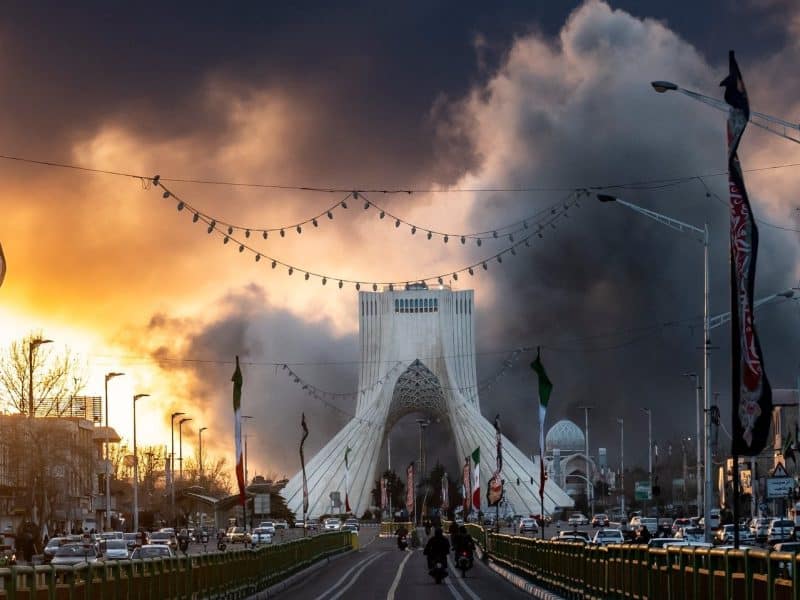
“Nuance, accuracy and reason are often lost”: What the media gets wrong about Iran
Having lived in Iran and later covered it from elsewhere, including Britain and now the US, I have seen how reliance on clichés and stale terminology affects the way some mainstream outlets cover the country. You can read commentary today and, if you removed the date, it could easily have been written 10 or 15 years ago.