
US-Israeli Strikes Damage UNESCO Heritage Site in Iran
A US-Israeli airstrike substantially damaged the Golestan Palace, a 15th century royal complex in Tehran and the former residence of the Qajar Dynasty. Since the start of the war, an increasing number of iconic locations, neighborhoods, parks, and local businesses have been bombed. Donald Trump had floated the idea of targeting Iran’s cultural sites in his first presidency.

New Lines Magazine: On Monday afternoon, Iranian media reported that Golestan Palace, a 15th-century royal complex in Tehran, was substantially damaged in a U.S.-Israeli attack that targeted the city’s Arg Square. A former residence of the monarchs of the Qajar Dynasty, the palace is one of the oldest surviving buildings in the Iranian capital and was added to the list of UNESCO World Heritage Sites in 2013.
UNESCO has expressed its “concern over the protection of cultural heritage sites” amid the spiraling violence in the region, falling short of condemning the indiscriminate damage that the protected site sustained. Although a wider range of locations are being hit as part of the war on Iran, the targeting of cultural sites marks a significant escalation.
Iran hosts 29 UNESCO heritage sites, ranking 10th in the world for the number of such historically significant places recognized by the United Nations’ cultural and educational agency. They include the Armenian Monastic Ensembles of the West Azerbaijan Province, the medieval fort city of Bam, hosting the world’s largest adobe structure, known as the Bam Citadel, the world’s largest brick dome at Soltaniyeh in the province of Zanjan, and Persepolis, the ceremonial capital of the Achaemenid Empire.
In his first term as president, Donald Trump had warned that he would be targeting Iran’s cultural heritage as tensions between the two countries escalated in early 2020. “Let this serve as a WARNING that if Iran strikes any Americans, or American assets, we have targeted 52 Iranian sites (representing the 52 American hostages taken by Iran many years ago), some at a very high level & important to Iran & the Iranian culture,” he wrote in a series of tweets.
The destruction of museums, temples and ancient palaces as a war tactic is not uncommon, but few states have gone out of their way to indicate they might deliberately engage in it. In recent years, the best-publicized examples have been the Islamic State group’s demolition of ancient sites at Nineveh and Palmyra, in Iraq and Syria, respectively. After Trump’s unsuccessful year-long campaign for a Nobel Peace Prize, his approach to military entanglements has changed. Still, it is not immediately clear if the bombing of cultural sites in Iran — an act that may stain his reputation and enrage his supporters in the Iranian diaspora — is something he would be willing to endorse.
In 2020, in response to growing condemnation of his threats, he told reporters: “They’re allowed to kill our people. They’re allowed to torture and maim our people. … And we’re not allowed to touch their cultural sites? It doesn’t work that way,” even though his then-Secretary of State Mike Pompeo clarified on ABC’s This Week that the United States would behave “lawfully” and “inside the system.”
Israel, as the other participant in the ongoing military campaign on Iran, is led by Benjamin Netanyahu, who was indicted by the International Criminal Court for his involvement in the commission of war crimes and crimes against humanity during the war in Gaza. The conduct of Israel’s military during that war indicates that it may not take historical and cultural concerns into consideration.
Iran’s cultural heritage belongs to a shared global history, and there is a strong case that deliberate targeting of it, if it comes to that, may be prosecutable under the Nuremberg Charter establishing the framework for international criminal law.
Related Articles
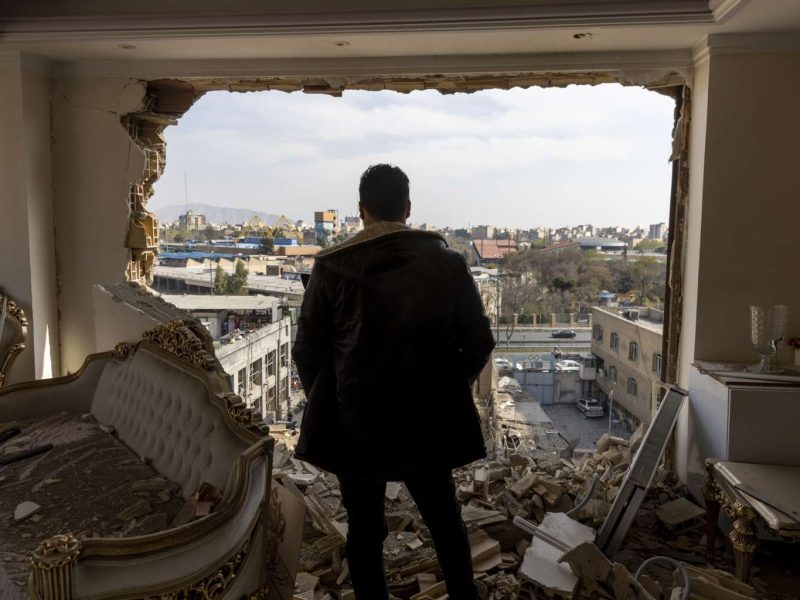
Tehran Residents’ Social Media Offer Nightmarish Glimpse of Humanitarian Crisis
At a time of unprecedented instability, people currently living in Iran can best describe the complexity of life under war and sanctions as the civilian toll of the US-Israeli aggression increases. Still, the internet outage has made it virtually impossible for families to get in touch with their loved ones abroad and for reporters to contact sources in Iran.
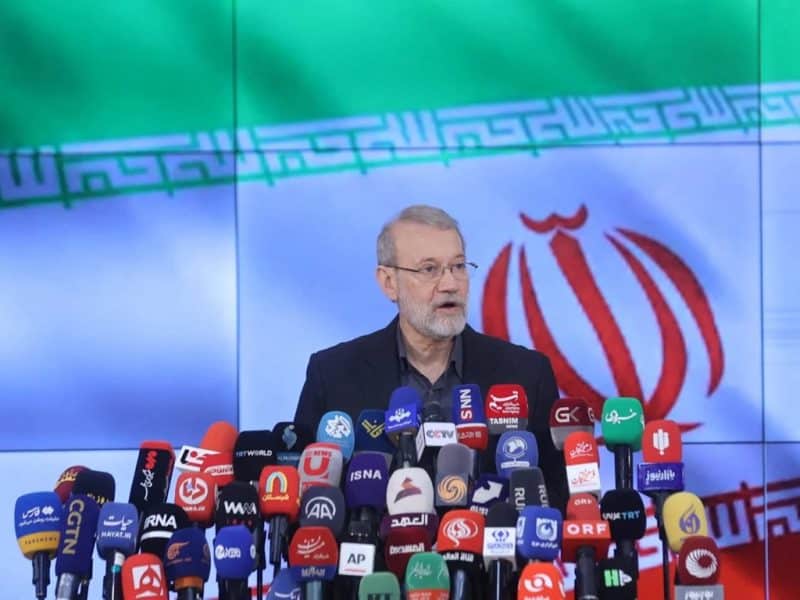
Larijani Was the One Iranian Politician Nobody Else Wanted Dead
Iran’s top national security official Ali Larijani has been killed, marking the first time that Israel has claimed responsibility for assassinating a sitting politician during the ongoing war on Iran.
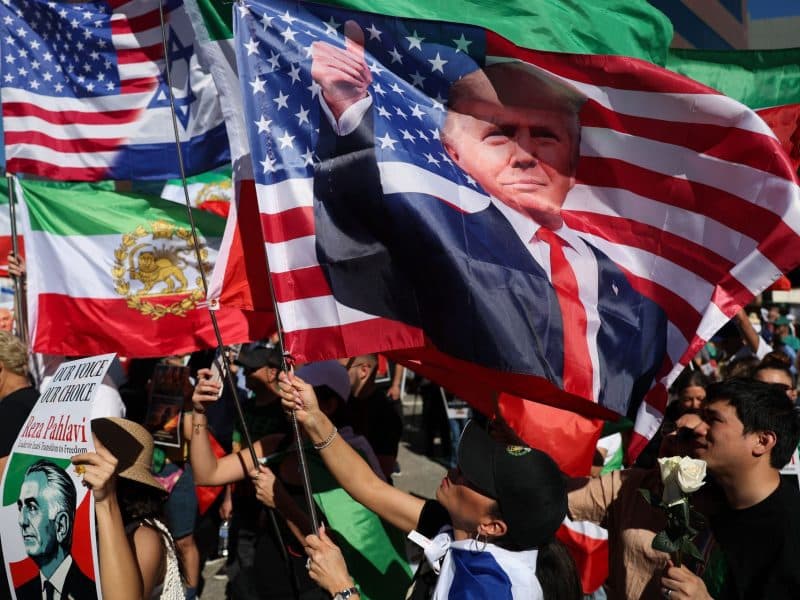
Tehrangeles Syndrome
For a long time, the Iranian diaspora has projected itself as a far-right, firebrand community, one that is only a shadow of the entrepreneurial immigrants from Iran and their offspring who have made it in America. The expats’ embrace of war on their home country and their indifference to ICE crackdowns on their neighbors have been unfathomable to observers