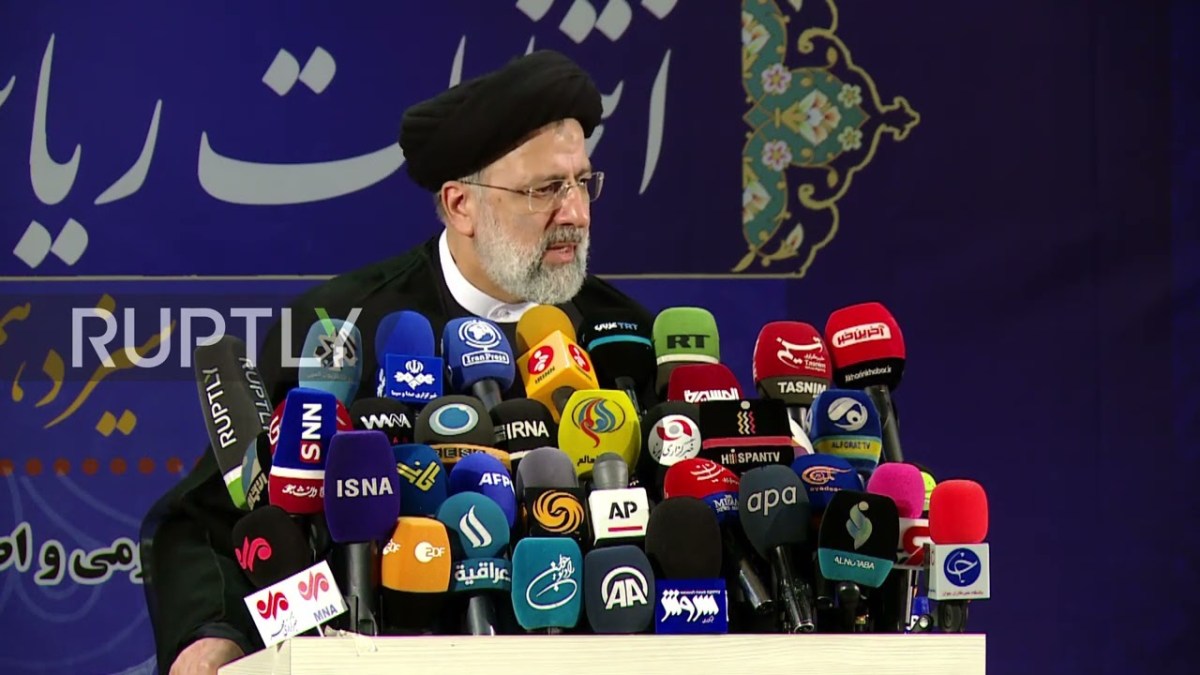
Kourosh Ziabari – Asia Times: It’s official: hardline cleric Ebrahim Raisi is Iran’s new president and will formally succeed Hassan Rouhani in August. What’s less clear is the Islamic Republic’s new foreign policy and economic direction.
Raisi secured 17.9 million popular votes, accounting for 61.9% of the ballot in a preordained result marred by the disqualification of pro-reform and moderate candidates.
Raisi, a darling of the conservative establishment, saw his supporters celebrate in eastern Tehran on Saturday evening in defiance of millions of Iranians who boycotted the polls. As anticipated by many observers, voter turnout was a record low in the history of the Islamic Republic at 48.8%.
The boycott was a silent protest against the country’s many economic woes, growing social and political restrictions and other grievances that have piled up since the former US president Donald Trump exited the Joint Comprehensive Plan of Action (JCPOA) in 2018, spelling the ruination of the nation’s reform movement.
Many Iranians realized that the June 18 election was a coronation rather than a democratic election, and that the establishment had decided the winner.
Two major churches, a 68-year-old synagogue, and a historic neighborhood in Tehran that hosts a large community of Iranian-Armenians were among the casualties of 39 days of US-Israeli war of aggression on Iran, which has cost the US taxpayers, on average, $2 billion per day.
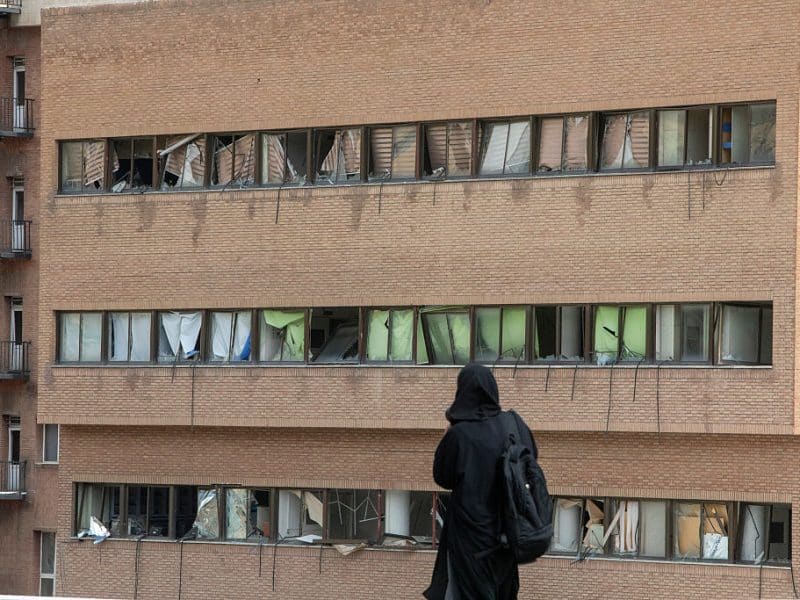
Iran’s academia will bear significant costs from indiscriminate airstrikes on its prestigious universities launched by the United States and Israel, even if the war comes to an end. In a country where education is one of the main pathways to success, the long-term repercussions will be grim.
After decades of undemocratic governance, economic sanctions, and information warfare by external actors, the US-Israeli war of aggression has increased the risk of mental health issues among Iranians and the intergenerational transmission of trauma